Wine is celebrated not just for its layered flavors, but for its well-documented health benefits: it boosts appetite, aids digestion to elevate the dining experience, and may even reduce risk of cardiovascular disease. But those benefits can be completely negated if you serve your wine in the wrong glassware, health experts warn. Choosing the right crystal wine glass is a critical, often overlooked part of safe wine consumption.
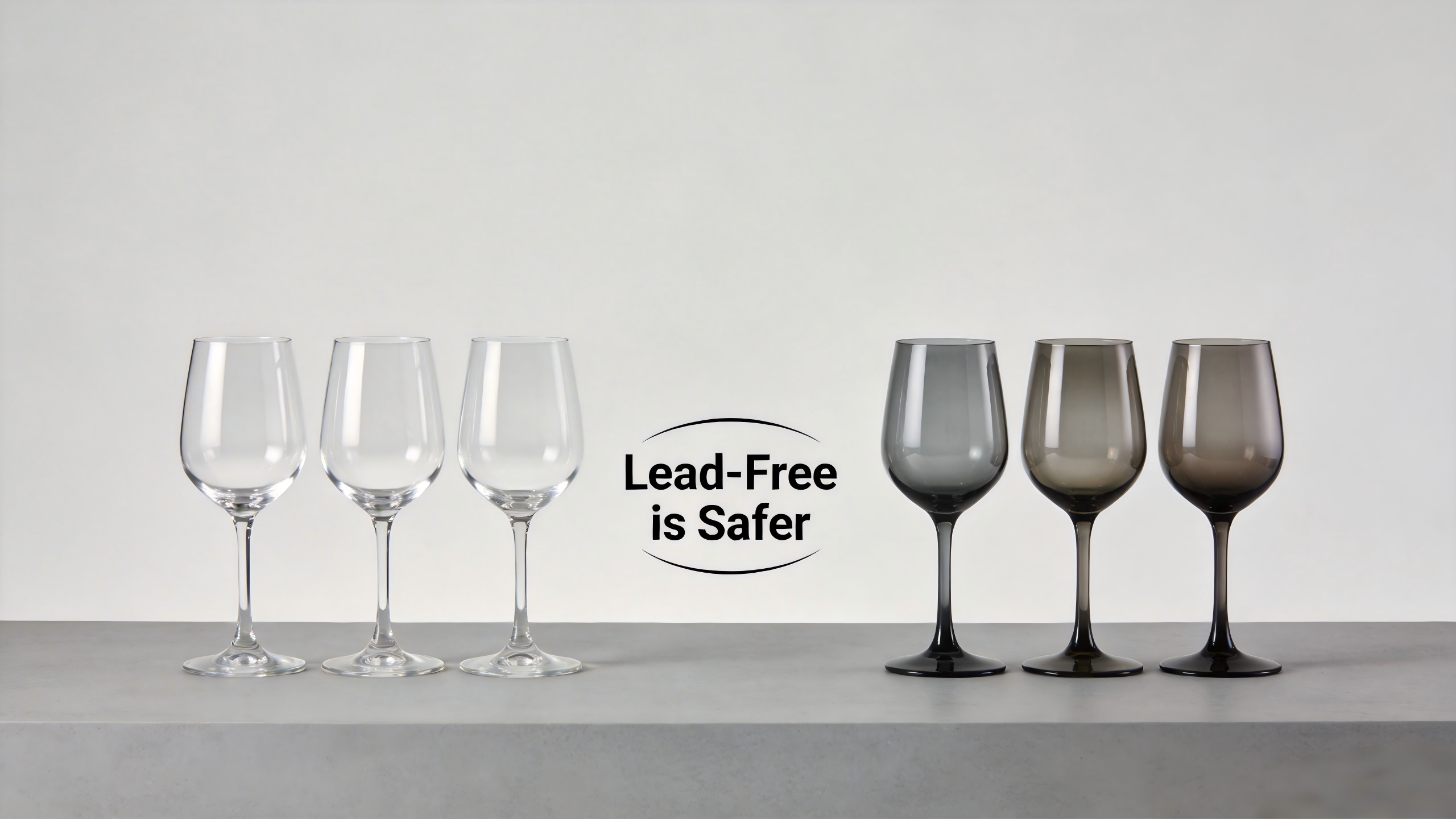
For wine lovers, lead-free crystal glasses are the industry gold standard. The fine, naturally textured surface of crystal creates a better “wine legs” (or teardrop) effect as wine coats the glass, allowing more oxygen contact to soften tannins and bring out the wine’s full, smooth flavor profile. Below are 5 key ways to distinguish lead-free crystal glasses from conventional leaded options:
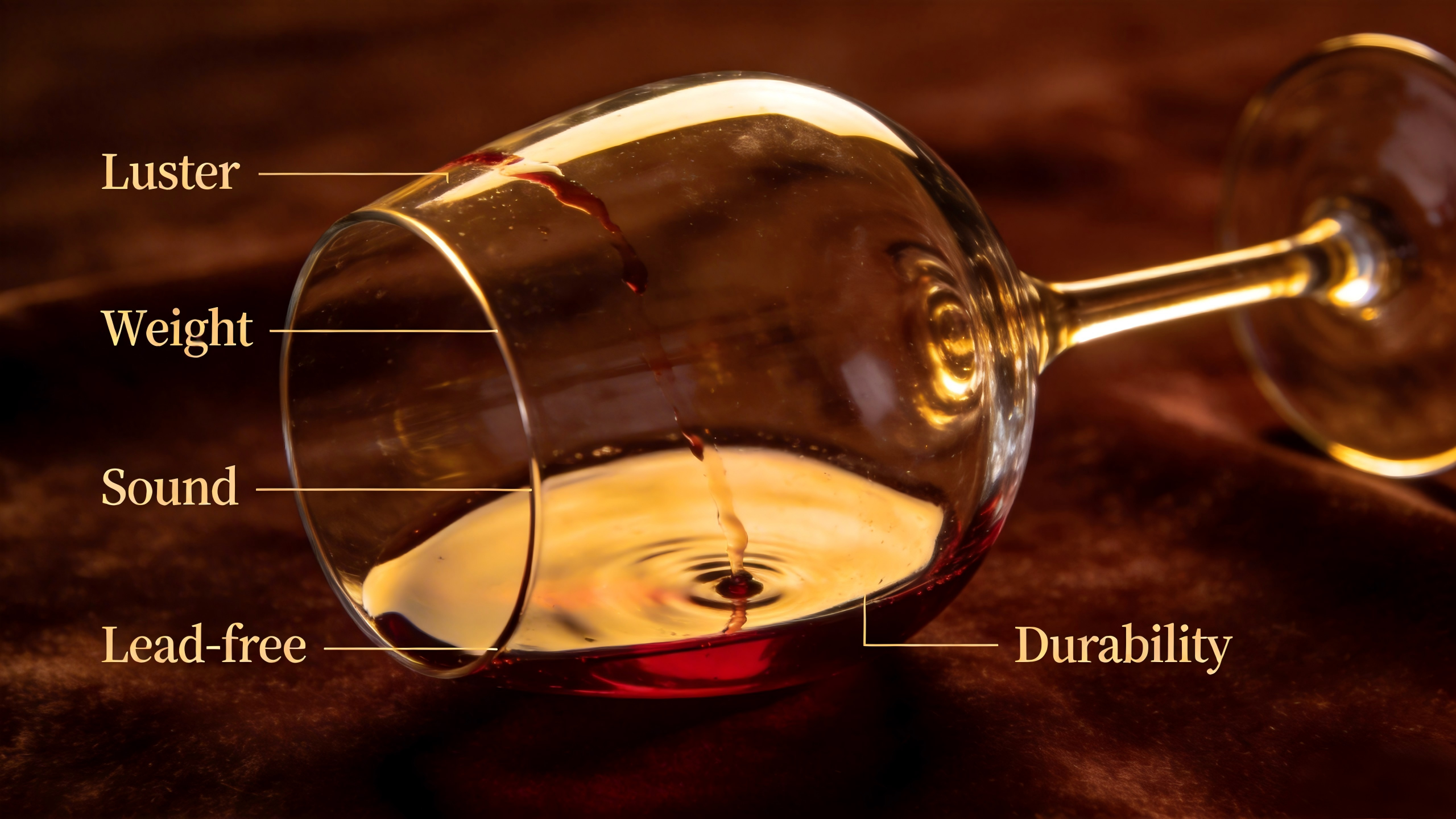
- Luster and Clarity: Lead-free crystal offers superior light refraction, giving it a brilliant, sparkling finish. Conventional leaded crystal glasses often feel cumbersome in the hand, have a dull, muted finish, poor light transmission, and may even contain visible air bubbles in the glass.
- Weight: Despite their durable feel, high-quality lead-free crystal is noticeably lighter than leaded crystal alternatives.
- Sound: Tapping a leaded crystal glass produces a dull, muted thud, while a lead-free crystal glass rings with a clear, resonant, bell-like tone that lingers briefly.
- Material Composition: Premium lead-free crystal glasses are 100% free of lead and barium, making them non-toxic and safe for everyday use.
- Durability: Lead-free crystal is more impact-resistant and flexible than leaded crystal, making it less prone to chipping or breaking with regular use.
⚠ Health Warning:
Health authorities warn the risks of long-term use of leaded glassware are significant. Lead leaching from glass can accumulate in the body over time, damaging the central nervous system, vascular system, and cerebral cortex. At blood lead levels as low as 30 micrograms per liter, users may experience fatigue, headaches, dizziness, and memory loss. Long-term exposure is linked to higher risk of atherosclerosis, peptic ulcers, and retinal bleeding. Excess lead can also deposit in bone tissue, increasing risk of fractures later in life.
“Enjoying wine is about savoring life, and you shouldn’t have to risk your health to do it,” say consumer safety advocates. Investing in high-quality, certified lead-free crystal glassware is a small, simple step that protects your long-term wellbeing while enhancing every sip of your favorite vintage.
Post time: Feb-27-2026